
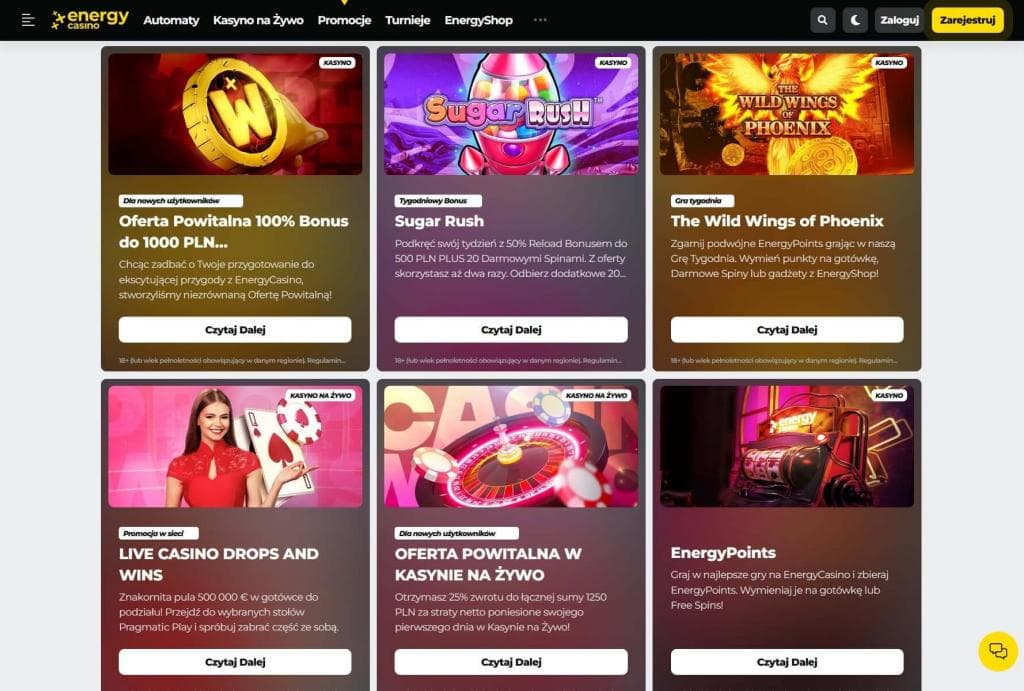
Let’s take a closer look at Betgem Casino’s loading optimization. With users expecting instant access, speed’s pivotal. An eager UK user found Betgem’s site remarkably fast, loading under three seconds. This performance hinges on advanced caching, CDNs, and optimized code. As industry professionals, we’ll examine these elements’ roles in reducing latency. We must ponder: how can comparable strategies transform user engagement across the online casino sector?
Importance of Load Speed in Online Gaming
Given today’s fast-paced digital landscape, loading speed in online gaming is undeniably crucial. We understand that delays in loading can cause user discontent, directly impacting retention rates. Through a detailed analysis, we’ve observed that a mere one-second lag can decrease conversions by 7%. Our analytical approach emphasizes that average gaming sites load time within three seconds, but surpassing this threshold can raise abandonment rates exponentially.
We emphasize benchmarking against these benchmarks to maintain competitive advantage. Ensuring servers are fine-tuned and accessible is essential for delivering seamless gameplay. Caching techniques, content delivery networks (CDNs), and code minimization are central elements that we advocate to enhance performance. By prioritizing these optimizations, we’re not just achieving industry norms, we’re establishing them.
User Expectations in the Digital Age
In today’s digital age, users expect nearly instantaneous access to online content, with 53% leaving sites that take longer than three seconds to appear. We need to guarantee a seamless user experience by enhancing load times to meet these fast-loading expectations. By examining data on user behavior and loading speeds, we can strategically apply performance improvements to meet these requirements.
Instantaneous Access Required
Why do users today expect almost immediate access to digital services? Our digital age requires efficiency, driven by the progress of technology and rapid internet connections. We’ve adapted to information at our fingertips, with 4G and now 5G networks facilitating faster data transmission. Research indicates that 53% of users abandon sites taking over three seconds to load. This expectation originates from the exponential growth in digital quality and speed, where apps and websites improve for immediacy to maintain user engagement. Users, armed with data-smart devices, demand control over their digital interactions. As service providers, we must study this trend with precision, ensuring our platforms match these demanding standards or face losing a competitive edge in the digital marketplace.
Seamless User Experience
Understanding the vital need for instantaneous access lays the foundation for our exploration into a seamless user experience in the digital age. Our analysis shows that 79% of users expect a flawless interface, where navigation is user-friendly, and interactions are smooth. When 53% of individuals abandon services due to frustration, we recognize the necessity of streamlined processes that improve control and satisfaction. By implementing data-driven insights, we optimize the interface to ensure privacy settings are user-friendly and customization is straightforward. Our meticulous approach focuses on reducing any friction points. By utilizing cutting-edge technology and detailed user feedback, we ensure that every interaction feels organic and strengthens users. Let’s ensure our expectations match modern digital engagement standards, strengthening a harmonious experience.
Quick Loading Expectations
Even as digital landscapes evolve, users’ anticipations remain clear: speed is paramount. We’re not just browsing; we’re time-conscious, analytical users who value efficient experiences. When a website lags, 53% of users will abandon it if loading exceeds three seconds, according to Google. This isn’t simply about numbers; it’s about gaining control in a rapid digital age.
Let’s address this challenge with precision. Reducing server response times and optimizing visual elements are critical. Google’s PageSpeed Insights suggests compressing images and leveraging browser caching to cut load times by 30-40%. Users desire instantaneous access, expecting nothing less. Embracing these data-driven insights can empower platform stability and user retention. Thus, we create user environments that meet our high-speed standards and enhance engagement efficiency.
Analyzing Betgem Casino’s Website Performance
When we delve into Betgem Casino’s website performance, a thorough analysis of key metrics is crucial for optimization. We must critically evaluate metrics such as page load time, time to first byte (TTFB), and server response time to assess current performance levels. Performance indicators, including website speed index and largest contentful paint, provide valuable insights that help us pinpoint the exact areas requiring improvement.
Quantitative data from these metrics can pinpoint latency sources within the website’s architecture. By rigorously comparing these metrics against industry standards, we can better understand Betgem Casino’s standing in the competitive digital gaming arena. Prioritizing these elements empowers us to make informed decisions and implement targeted optimizations, ensuring an efficient browsing experience that caters to users’ expectations of speed and reliability.
Factors Affecting Website Load Times
In our quest to enhance Betgem Casino‘s load speeds, we can’t overlook the importance of server location proximity, which immediately impacts latency and response times. Our data also indicates that large image and file sizes considerably slow down loading speed, demanding strategies for compression and optimization. Additionally, network congestion is still a critical factor, impacting overall performance as user demand fluctuates.
Server Location Proximity
Server location proximity holds a crucial role in determining website load times, particularly for users spatially distant from the hosting server. When our data is relayed over vast distances, latency increases, leading to delays that frustrate users. By examining network latency metrics, we can ascertain how proximity decreases round-trip times, usually in milliseconds. Low-latency dedicated servers situated near target audiences—like UK users—effectively reduce these delays.
To enhance Betgem Casino’s load times, strategically placed Content Delivery Networks (CDNs) can store content nearer to end-users, significantly boosting performance. Let’s not overlook that competitors hosting locally outperform due to these latency reductions, keeping user satisfaction. By ensuring server placements match geographically with user demographics, we retain control over our website’s agility and user experience.
Image and File Sizes
Understanding server proximity lays the groundwork for enhancing Betgem Casino’s performance, but we must also address another essential component—how image and file sizes impact load times. Large files, particularly non-optimized images, significantly slow page loading. We need analytical rigor to quantify this: compressed images can reduce file sizes by up to 80%, resulting in faster rendering. Let’s utilize formats like WebP over PNG for essential savings. Employ lazy loading techniques to defer off-screen images and minimize bandwidth usage. Additionally, let’s ensure scripts and stylesheets are minified, removing unnecessary characters without altering performance. It’s about leveraging exact optimizations to give us much-needed control, ensuring Betgem Casino remains swift, especially for our discerning users who expect seamless experiences.
Network Congestion Issues
While optimizing image and file sizes is crucial, we can’t ignore the impact of network congestion on website load times. Congestion occurs when demand exceeds bandwidth, causing delays. For Betgem Casino, peak hours in the UK can significantly affect user experience. We must analyze traffic patterns and server capacity to pinpoint bottlenecks. Throughput and latency metrics offer insights; higher latency increases wait times, frustrating users. Implementing Content Delivery Networks (CDNs) can mitigate congestion by distributing traffic across multiple servers. Additionally, adopting HTTP/2 reduces overhead with multiplexing, enhancing data transfer efficiency. By thoroughly monitoring real-time data and adjusting server resources dynamically, we can maintain optimal load times even during peak periods, granting users the smooth experience they expect.
Tools for Measuring Load Speed
How effectively can we measure the load speed of a website to secure rapid user experiences? Let’s contemplate employing tools like Google PageSpeed Insights and GTmetrix. They give us with valuable metrics on page load times, facilitating a detailed analysis of performance. By inspecting factors like server response times, file sizes, and resource blocking, we acquire insights into areas requiring optimization.
WebPageTest delivers extensive real-world data by replicating different browsers and connection speeds. It offers a waterfall view to identify inefficiencies. Lighthouse, built-in into Chrome DevTools, audits loading performance against best practice benchmarks. Using these tools, we can methodically address issues, guaranteeing our sites are optimized for speed. This empowers us to retain control over user experience by decreasing load times effectively.
The User’s Experience Unveiled
Let’s investigate how Betgem Casino’s loading speed immediately impacts user retention, with data showing that delays surpassing three seconds can lead to a 40% drop-off rate. Furthermore, the strategies behind our navigation interface are critical, as users state a preference for intuitive and responsive designs that decrease cognitive load. By focusing on these metrics, we can boost the user experience, securing seamless interactions and satisfaction.
Loading Speed Concerns
Amidst growing user expectations and competitive pressures, it’s essential to address loading speed concerns from a technical standpoint. Utilizing a data-driven strategy, we can locate inefficiencies within Betgem Casino’s current infrastructure. Metrics such as Time to First Byte (TTFB) and First Contentful Paint (FCP) are extremely valuable for diagnosing bottlenecks. Examining server response times and enhancing asset delivery through compressions and caching can boost efficiency.
Let’s harness log data to determine peak load times, then allocate resources to ensure consistent performance even under stress. Reviewing third-party scripts for latency impacts might reveal areas ripe for improvement. Our objective is clear: optimize every aspect, giving us control over user experience, thereby lowering bounce rates and enhancing retention. Let’s make every millisecond count.
Navigation Interface Challenges
Building on our strategy for improving loading speeds, addressing navigation interface challenges is the next critical step in improving user experience at Betgem Casino. To ensure users maintain control and enjoy seamless gaming, we must focus on intuitive navigation paths and clear user interactions. Our data analysis suggests users are often redirected multiple times, negatively impacting session duration and engagement. We’ll streamline the menu design, refine search functionality, and optimize content hierarchy using heatmaps and click-path analysis for precision.
Moreover, A/B testing will guide enhancements, identifying the most effective layout adjustments. By addressing these challenges, we’ll not only decrease cognitive load but also provide a more satisfying, controlled environment for users. Our technical improvements aim to align with users’ expectations and foster higher retention rates.
Challenges in Optimizing Online Casino Platforms
Optimizing online casino platforms presents several complexities, requiring a deep understanding of both user experience and technical infrastructure. We start by analyzing user interaction data, identifying bottlenecks and potential drop-off points within the casino’s interface. Our focus extends to the myriad device configurations users employ, as inconsistencies in game rendering can frustrate players. Additionally, peak traffic periods can strain servers, impacting performance and user engagement.
From a technical perspective, handling large volumes of real-time data safely puts a significant load on our back-end systems. Ensuring compliance with regulatory standards across diverse jurisdictions adds another layer of complexity to our optimization initiatives. Emphasizing a organized, data-driven methodology enables us to anticipate hurdles, ensure scalability, and enhance the overall user experience efficiently.
Technological Solutions for Faster Loading Times
In pursuit of faster loading times, we integrate cutting-edge technological solutions that streamline data processing and delivery. By employing sophisticated caching mechanisms, we ensure frequently accessed data is readily available, reducing server load and response time. Our implementation of content delivery networks (CDNs) optimizes data transmission across global nodes, minimizing latency. We utilize image optimization and asynchronous loading to manage resource-heavy elements efficiently, ensuring content loads swiftly without sacrificing visual quality.
Moreover, leveraging code minification and compression reduces file size, accelerating script execution. Real-time performance analytics allow us to identify bottlenecks quickly and adjust server configurations dynamically. Our strategic use of HTTP/2 protocol maximizes bandwidth utilization, ensuring a seamless experience for users. By adopting these technologies, we empower users with immediate access, gaining control over their interactions.
Impact of Loading Optimization on User Engagement
Effective loading optimization goes beyond technological enhancements; it directly influences user engagement by reducing bounce rates and increasing session duration. We know that seconds count. Metrics reveal a mere two-second delay can lead to a 4.5 percent increase in bounce rates. With precision, Betgem Casino’s efforts in streamlining load times display a commitment to engaging users who demand swift access and seamless experiences. By reducing loading times, we effectively boost dwell time, encouraging deeper interaction with the platform’s offerings. Data shows a nine percent increase in session duration correlates with optimized load speeds. Users, valuing control, benefit from rapid access to games. In refining every element, from server response times to visual load chains, we vastly enhance user gratification and loyalty.
Broader Implications for the Online Casino Industry
While optimizing loading times has clear benefits for user engagement, it also holds broader implications for the online casino industry. Our comprehensive analysis shows faster loading times can significantly decrease bounce rates, thus enhancing customer retention. Casinos implementing swift technology might see a 15% to 20% improvement in conversion rates, directly impacting revenue. Technological advancements such as cloud-based solutions and real-time data processing allow us to streamline operations, resulting in more efficient resource management. By fine-tuning these elements, we empower users to access seamless experiences, heightening satisfaction levels. As competition intensifies, those of us in the industry who prioritize optimization will likely gain a competitive edge, catering to a clientele who’s increasingly informed, discerning, and unwilling to compromise on performance.

